
The City as Two Edinburghs
Hide and SeekThe narrative contrasts the postcard city with its decaying estates and concealed spaces of privilege and exploitation.
increasing Bearing strength in each event
 decreasing
Bearing strength in each eventdecreasingThe Tourist Surface
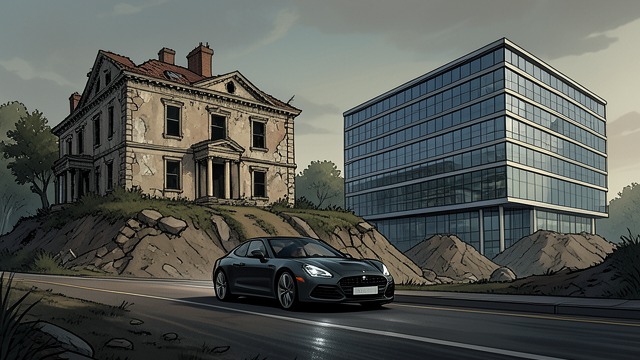
The Tourist Surface
A city in transition
John Rebus drives past a decaying estate beside a new development marketed as luxury housing, seeing the same ground renamed for new buyers.
The contrast shows urban renewal as a change in branding as much as a solution to neglect.
The Real Edinburgh
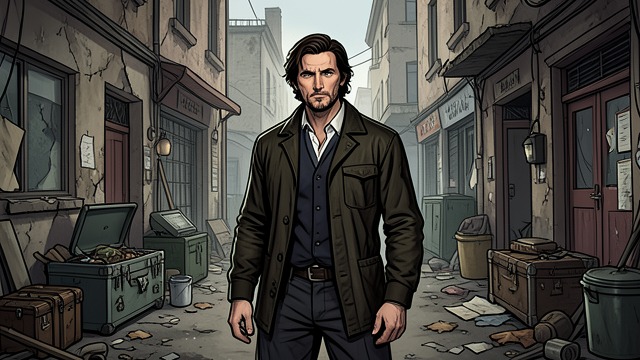
The Real Edinburgh
A disputed claim
Charlie describes the estates as the city’s continuing underworld, where the past of Edinburgh’s criminals reappears in modern life.
John Rebus recognizes the insight but also sees Charlie’s tendency to treat other people’s hardship as material for his own self-invention.
The Polished New Town
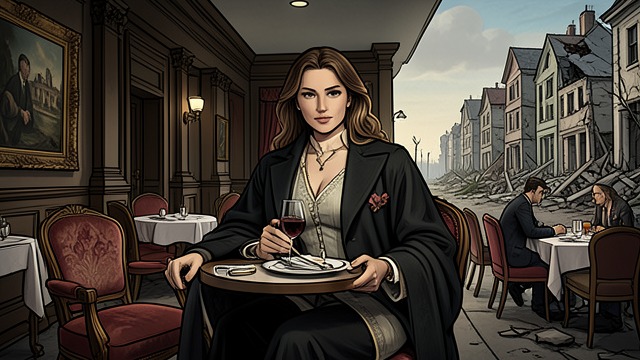
The Polished New Town
Wealth's geography
The restaurant and property conversations place new money, expensive homes, and influential businessmen at the center of Edinburgh’s public success story.
Their ease contrasts with Pilmuir’s broken houses, making class inequality visible through geography rather than abstract argument.
A Club Below the Street
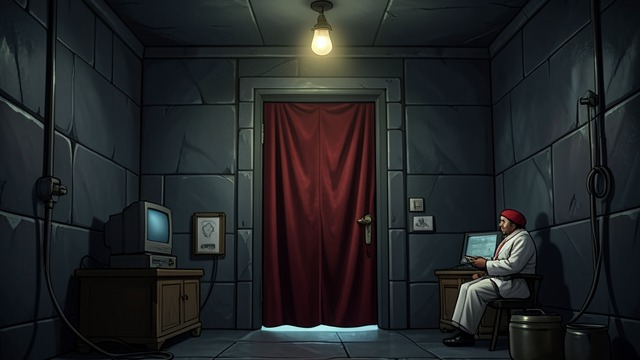
A Club Below the Street
The concealed underside
Hyde’s Club occupies an underground space beneath the respectable world of Finlay’s Club, converting hidden violence into elite entertainment.
The architecture makes the novel’s contrast literal: the city’s polished image depends on rooms and victims kept out of sight.
Scandal Made Small
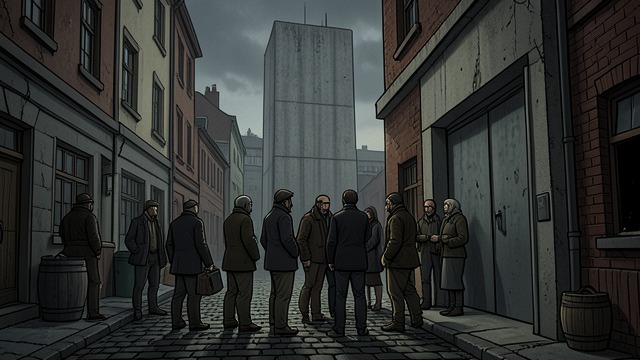
Scandal Made Small
A public image preserved
The official account of the scandal leaves Edinburgh’s civic respectability largely intact, describing crimes and deaths without revealing their whole network.
The gap between what John Rebus knows and what the public hears exposes how a city can protect its image by refusing to tell its own story.
Monday morning
Tuesday afternoon
Wednesday lunchtime
Friday night
After the club closes
